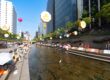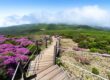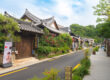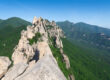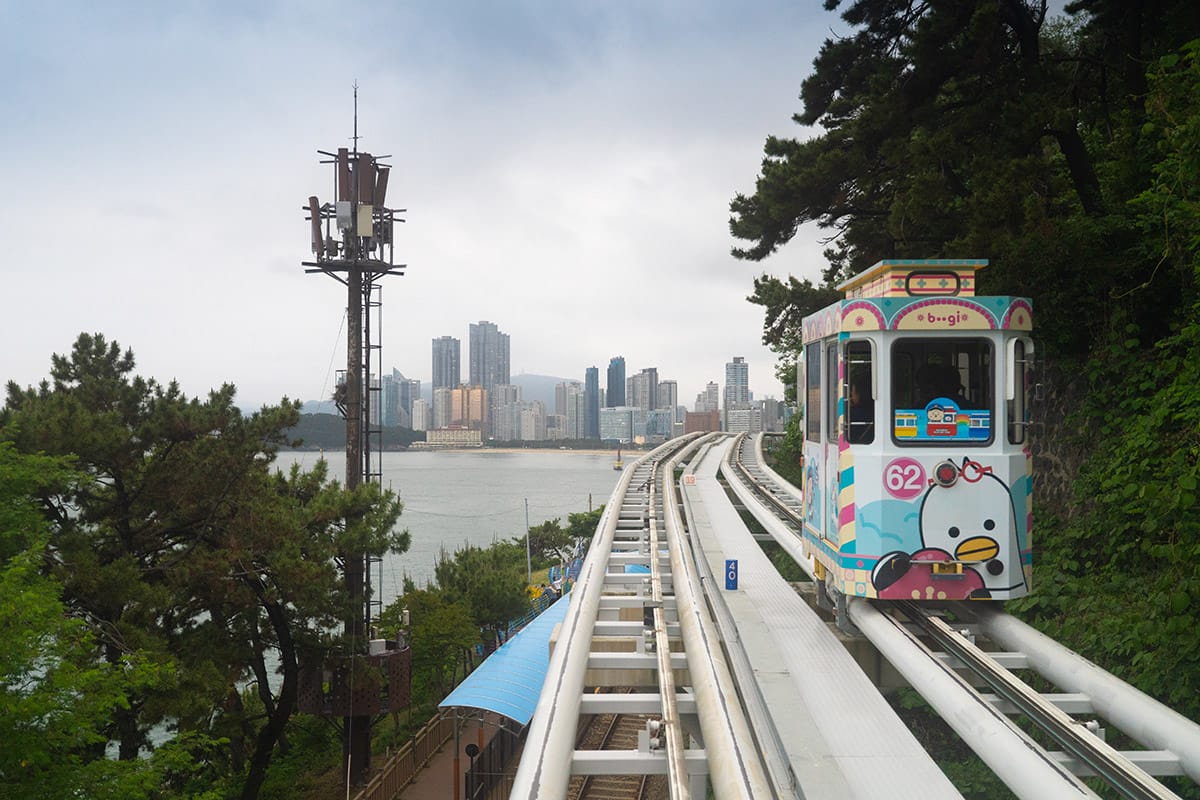
Busan is the second largest city of South Korea. Totally different vibes than Seoul, but with its own unique sights.
As we were coming from Jeonju, we couldn’t take the train to Busan, but arrived by bus. Which was a slight disappointment as the zombie movie “The train to Busan” was one of the few K-movies we actually knew.
In Busan we had 3 full days to explore.
Day 1
On the first day in Busan we explored the West part of the city.
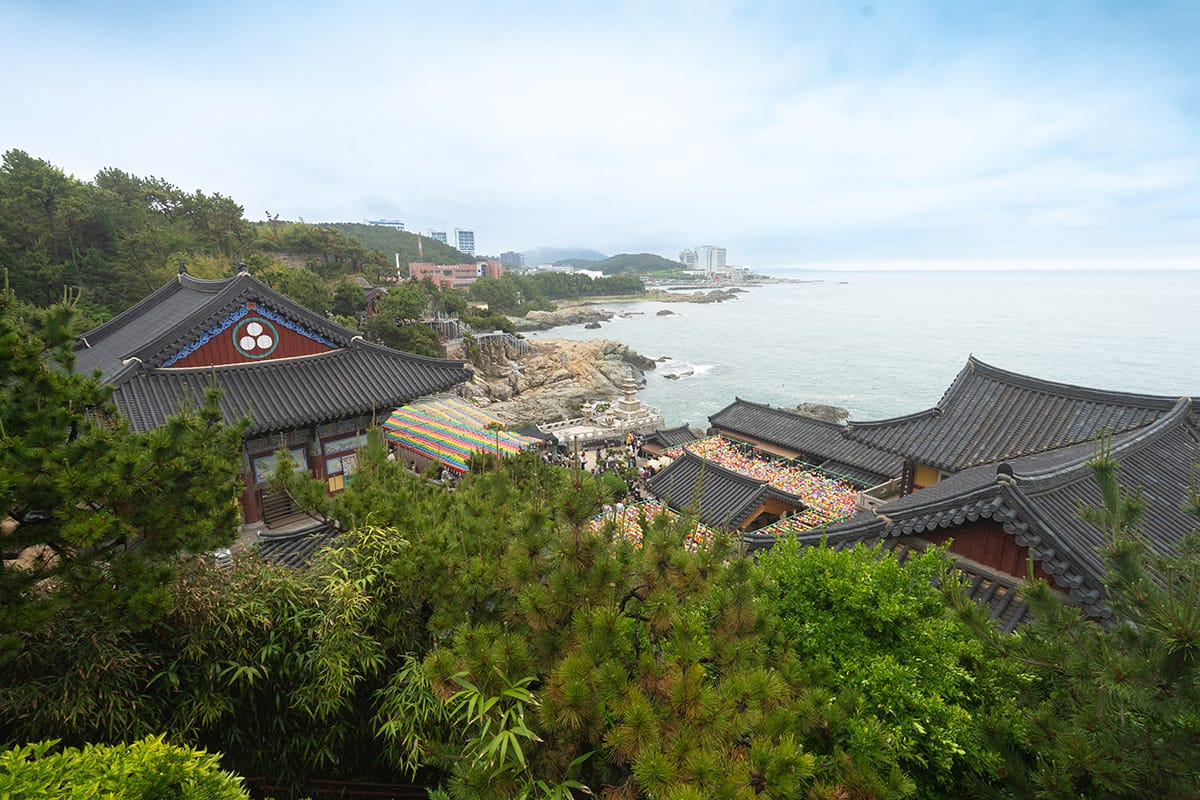
Haedong Yonggungsa Temple
This temple along the shoreline is a very popular attraction. A bit too popular if you ask me. Walking around felt more like walking through an amusement park, than an authentic ancient temple. It’s a bit outside Busan’s city center. To get here first take the metro line 2 to Jung-dong station, and then it’s another 30 minutes by bus (line 1001).
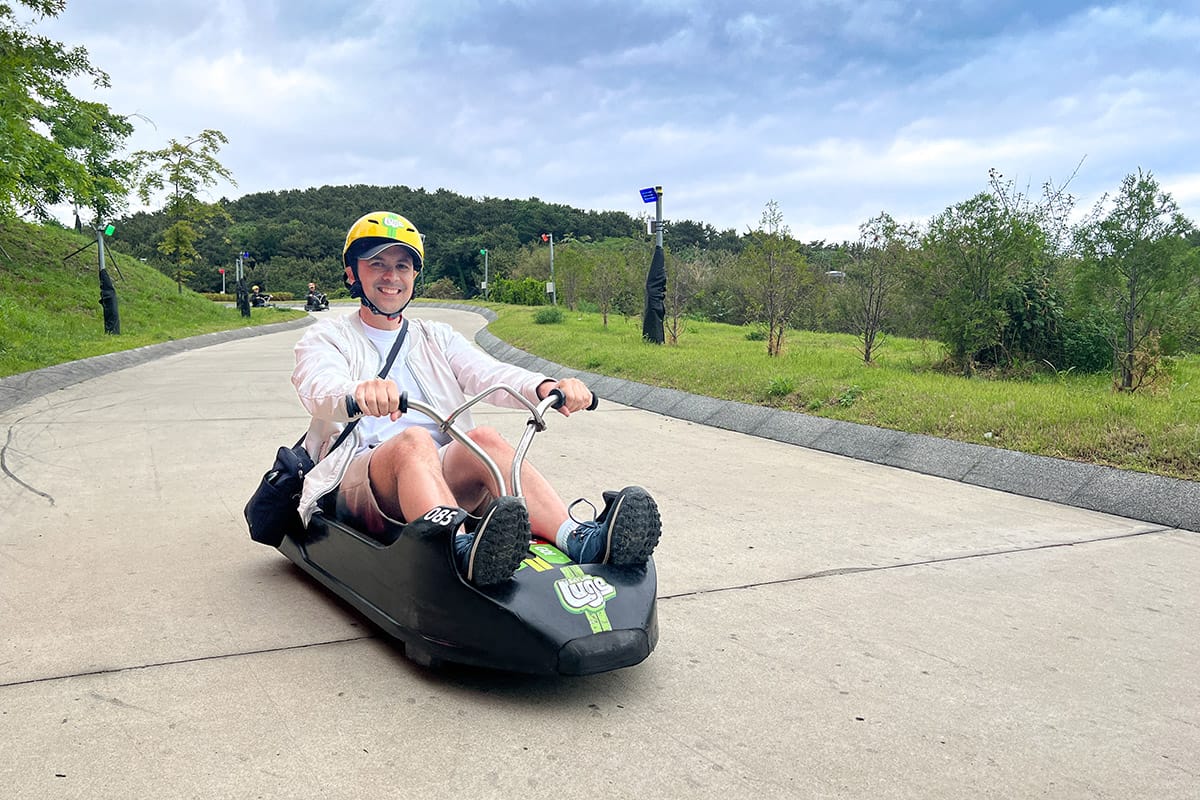
Skyline Luge Busan
Just across from Haedong Yonggungsa Temple, we were delighted with this totally fun attraction. The Luge is a one person cart going down on one of the four tracks. For ₩24.000 (€15) per person, we got 5 rides up with the chairlift, to race down the tracks. We were excited we stumbled onto this fun ride.
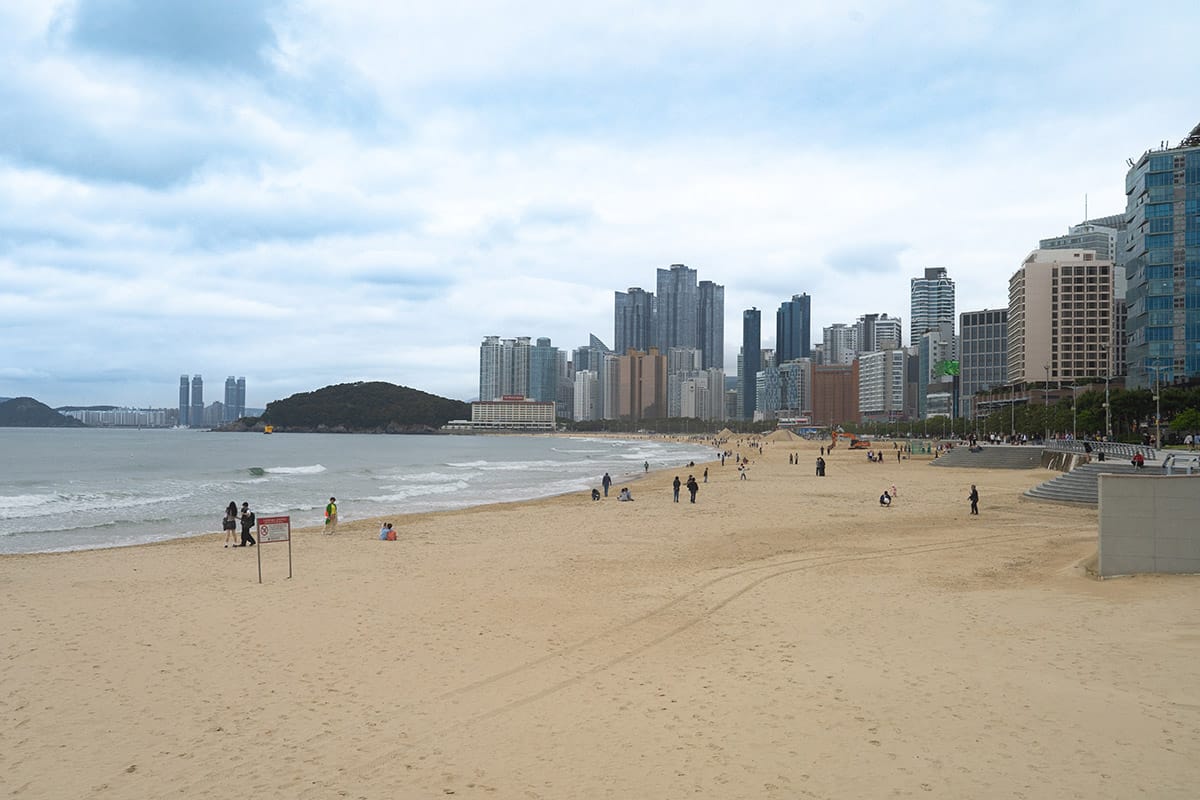
Haeundae Beach
One of the prettiest beaches in Busan is Haeundae Beach. Set with luxury skyscrapers at the shorefront. It’s one of the fancier areas in the city.
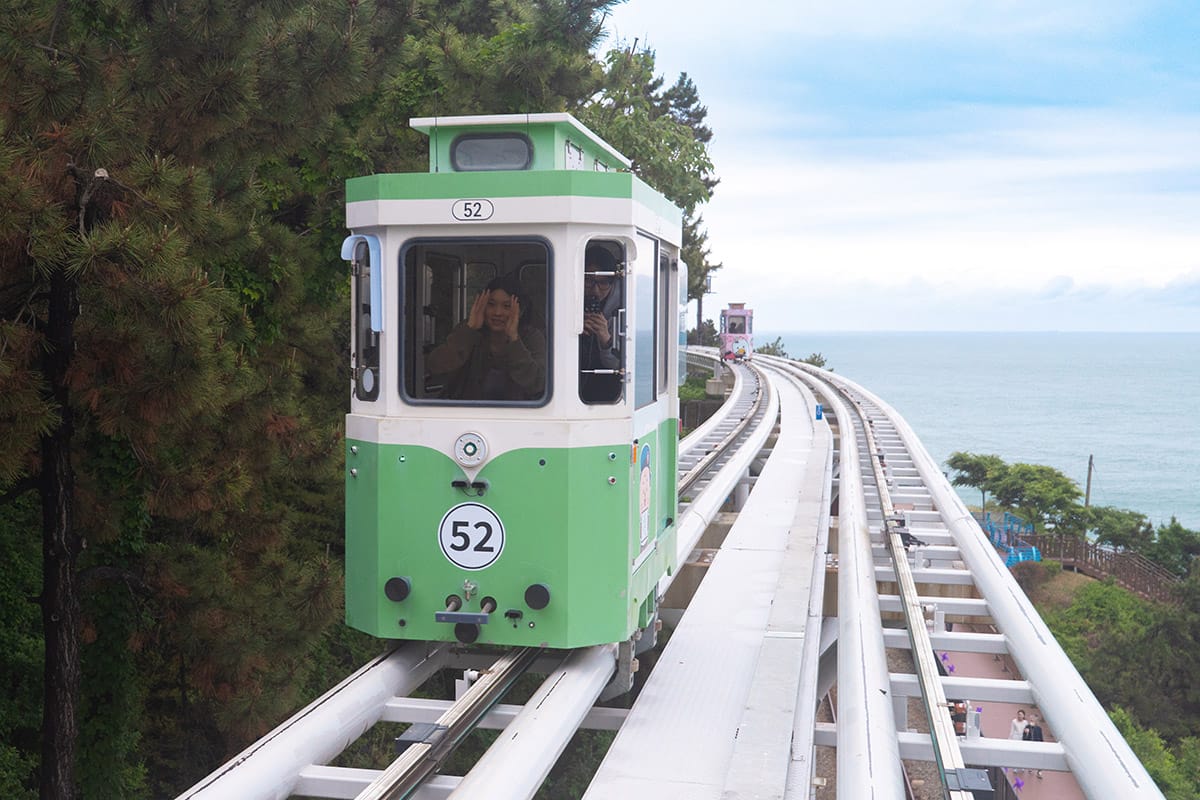
Sky Capsule
The Sky Capsule is a monorail with colorful carts crossing 2.3 km along the shore. Tickets go on sale online every Tuesday 4 weeks in advance and sell out fast! Especially the route from Mipo Station to Cheongsapo Station where the track is closer to the shore. The ride takes about 30 minutes and a cart takes a maximum of 4 people. It’s perfect that you never have to share your ride with strangers. The two of us had the Sky Capsule all to ourselves.
Day 2 – Gyeongju
We left Busan for a day trip to Gyeongju. To get here we first took the metro line 1 from Seomyeon Station to Nopo Station (30 minutes), where we took the premium bus (50 minutes, ₩7.700) to Gyeongju.
Gyeongju is somewhat like Jeonju, one of those smaller cities that can’t be missed when visiting South Korea. You can walk the entire main area in a day. Next to the bus station is a tourist office where you can get a free map with walking routes.
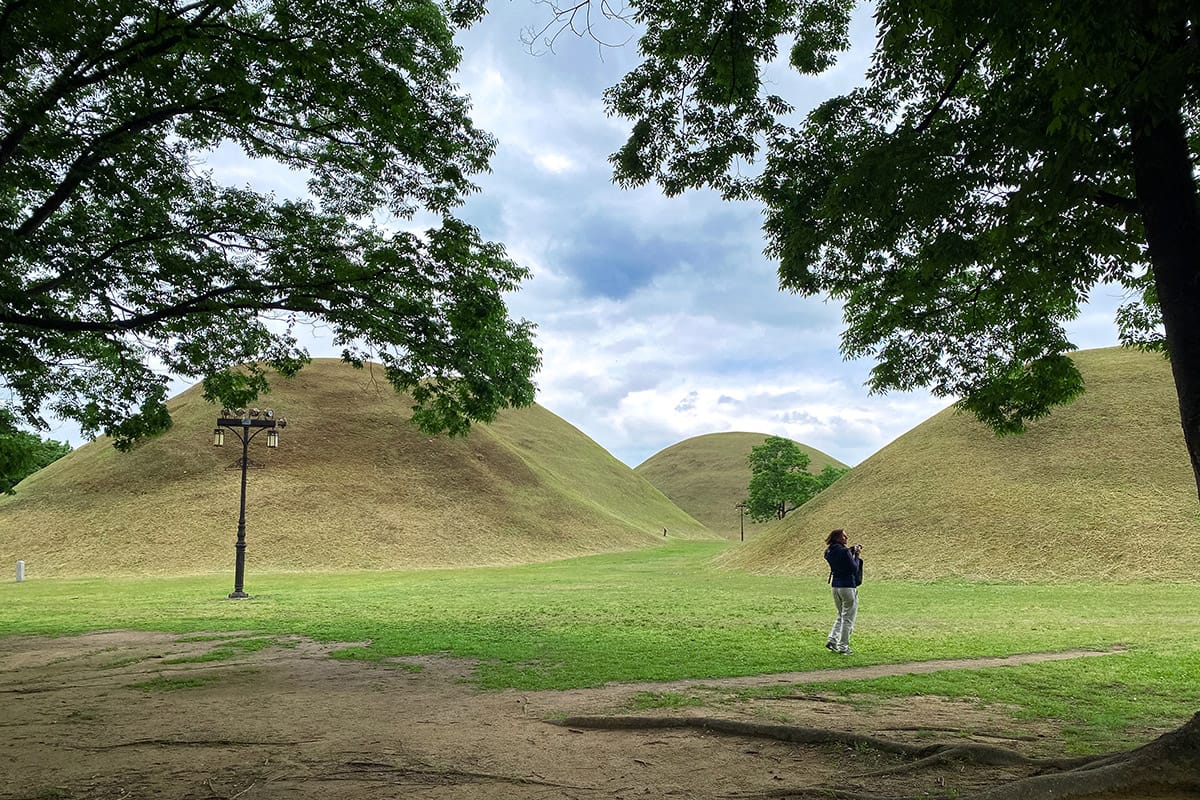
Daereungwon tomb complex, North and South section
Enormous grass hills form the landscape with as many as 23 ancient tombs from the Silla dynasty.
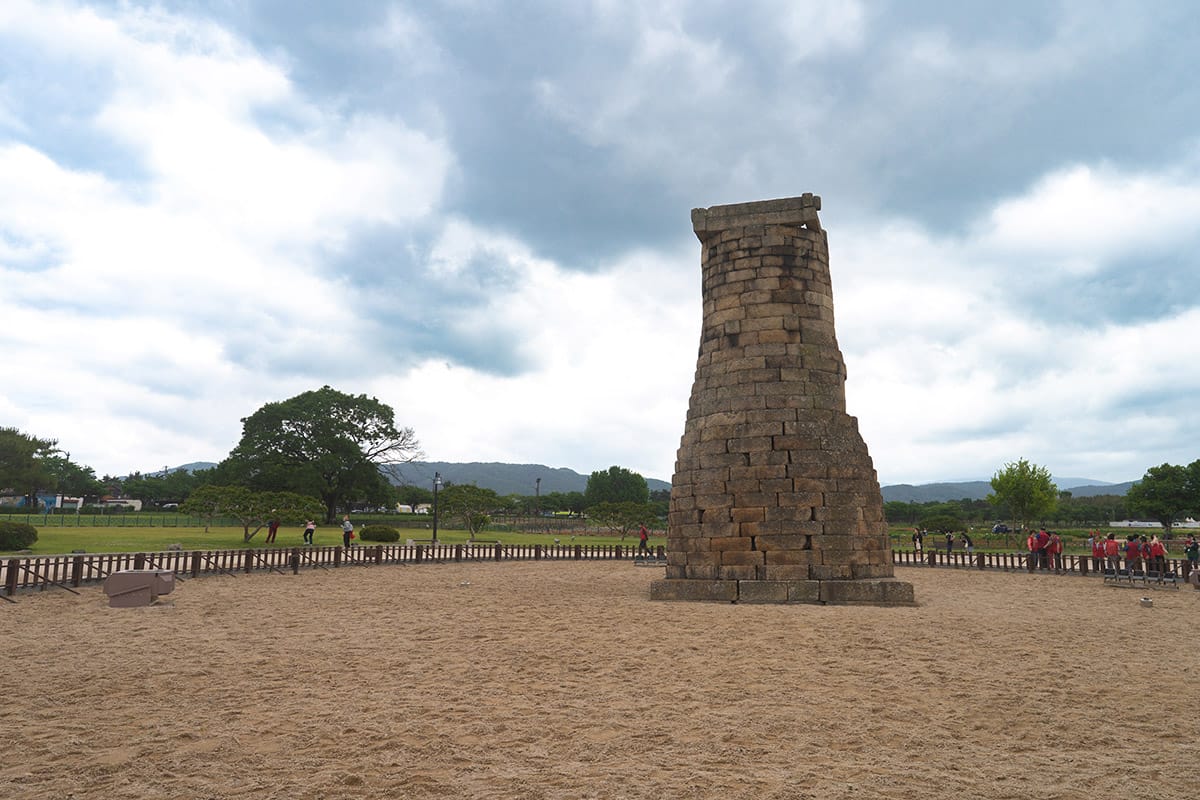
Cheomseongdae Observatory
One of Geyeonju’s landmarks is Cheomseongdae Observatory. Don’t expect too much. This rock piled observatory is 9 meters high, but is standing proud next to a flower field.
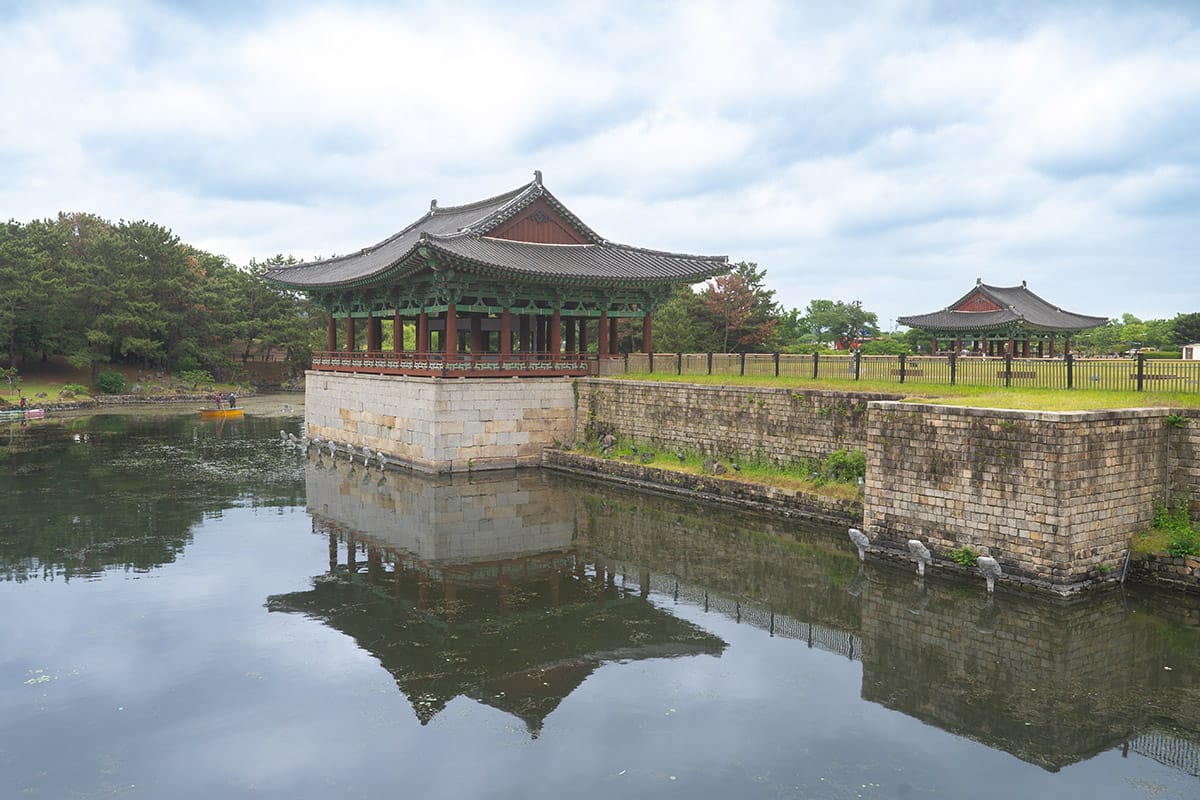
Donggung Palace & Wolji Pond
Walking along the flower field and crossing the road is Donggung Palace & Wolji Pond. The structure that still stands was part of the Silla royal family.
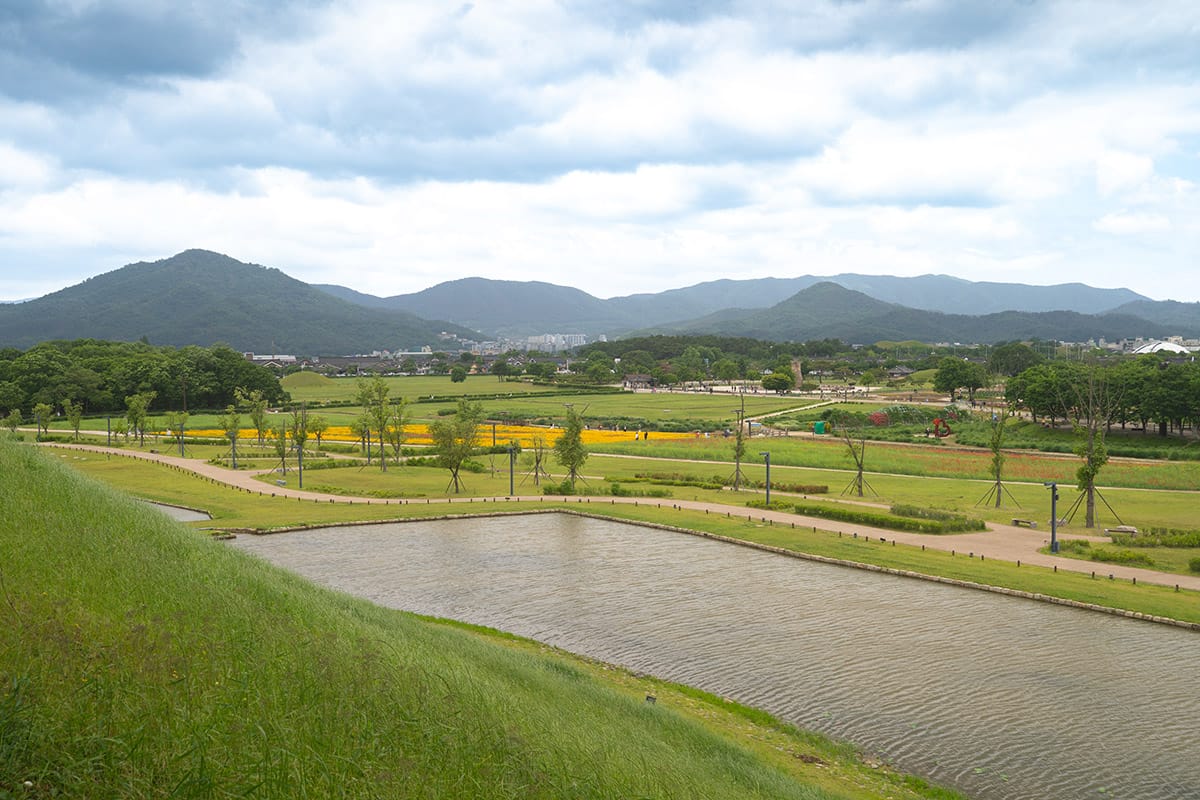
Path along Seokbinggo
This was my favorite view in Gyeongju, a small path on a hill looking down on the historic sights below.
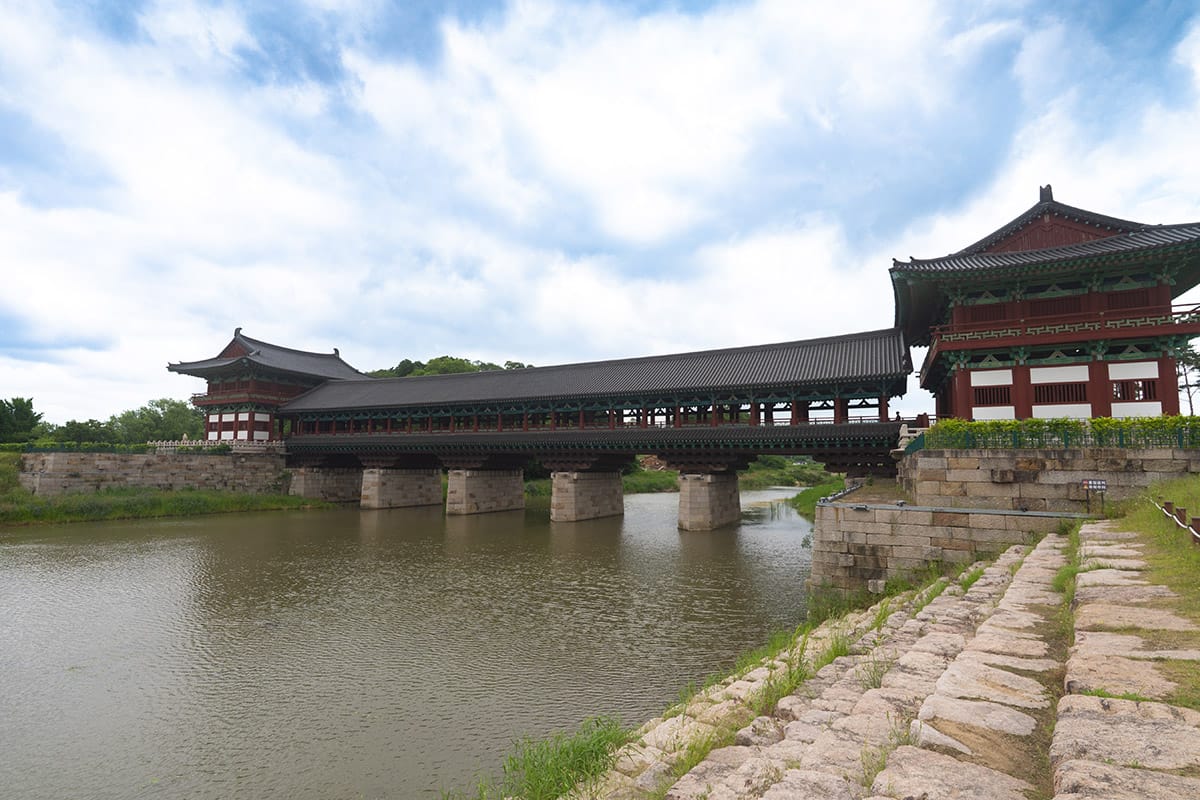
Woljeonggyo Bridge
The original bridge from the Silla period was rebuilt in 2018. It’s an impressive wooden bridge for pedestrians only. The red painted wood makes it stand out across the river. About 100 meters further from the bridge are the stepping stones laid out in the water. Crossing the river one way from the bridge and back over the stepping stones.
Gyochon Hanok Village
Walking through the small hanok village with traditional houses with restaurants, workshops and hanbok stores. Stop at the House of the Choe Clan, the main house of a wealthy family in the 1700s.
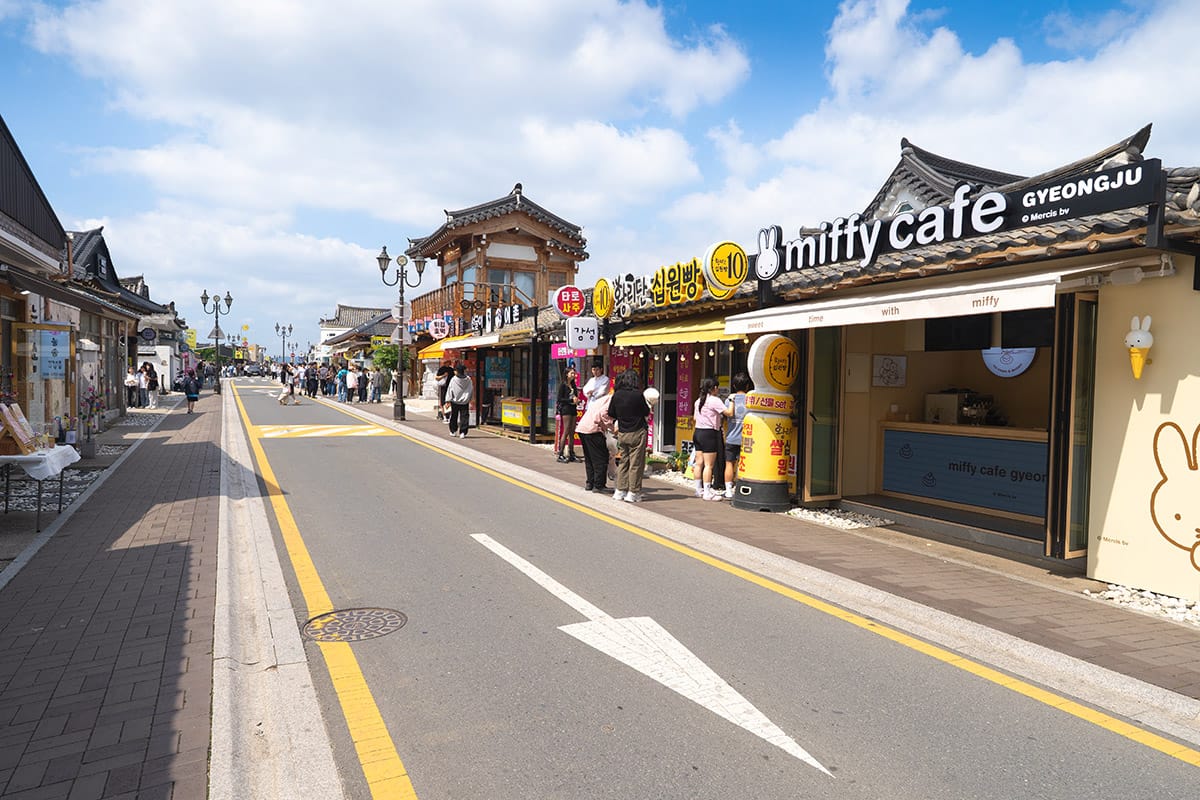
Hwangnidan-gil
The trendy shopping street of Gyeongju. This place is perfect to stroll through at the end of the walking tour to buy souvenirs and try different foods.
Day 3
The last full day in Busan, another day of excitement.
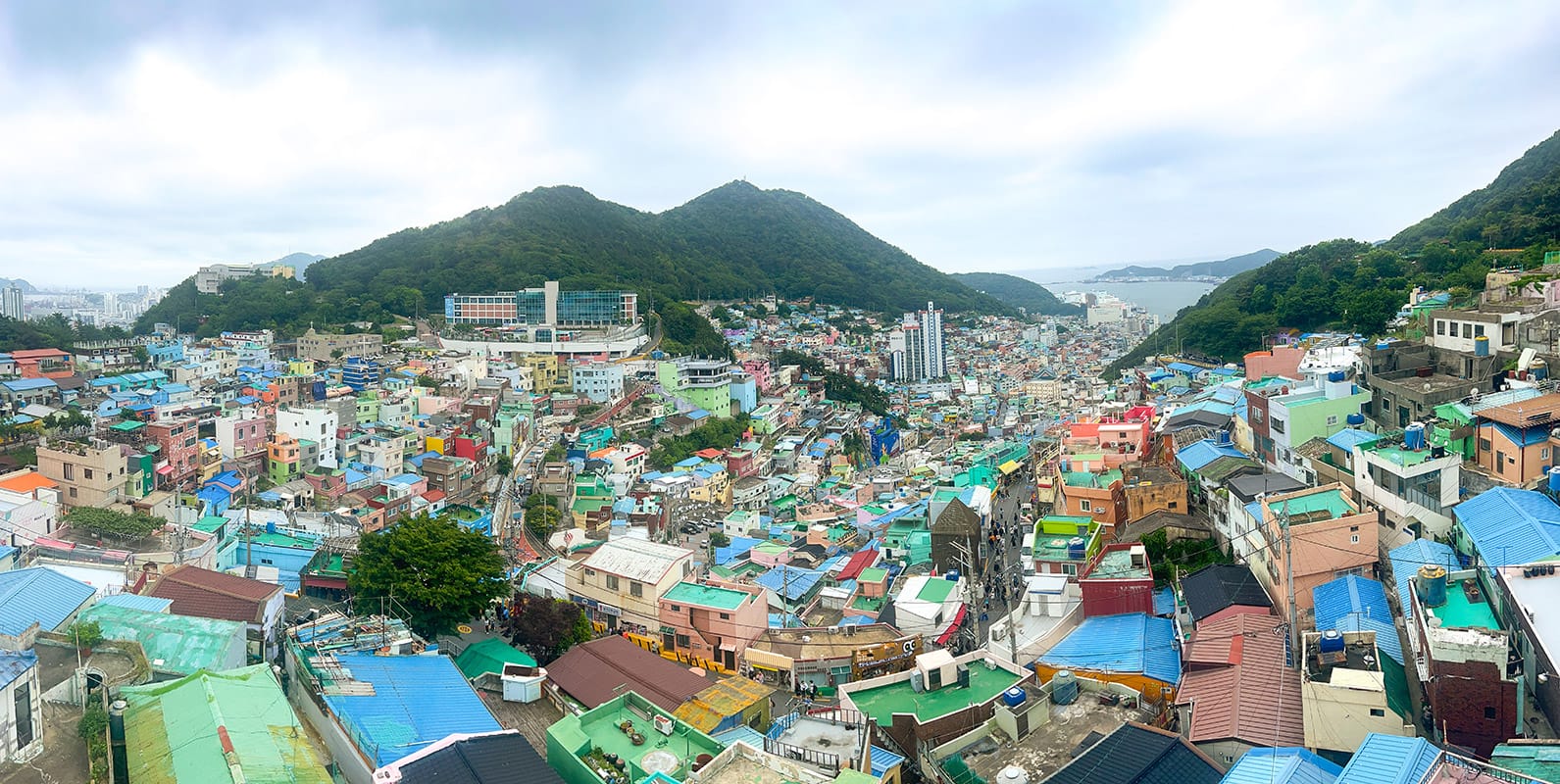
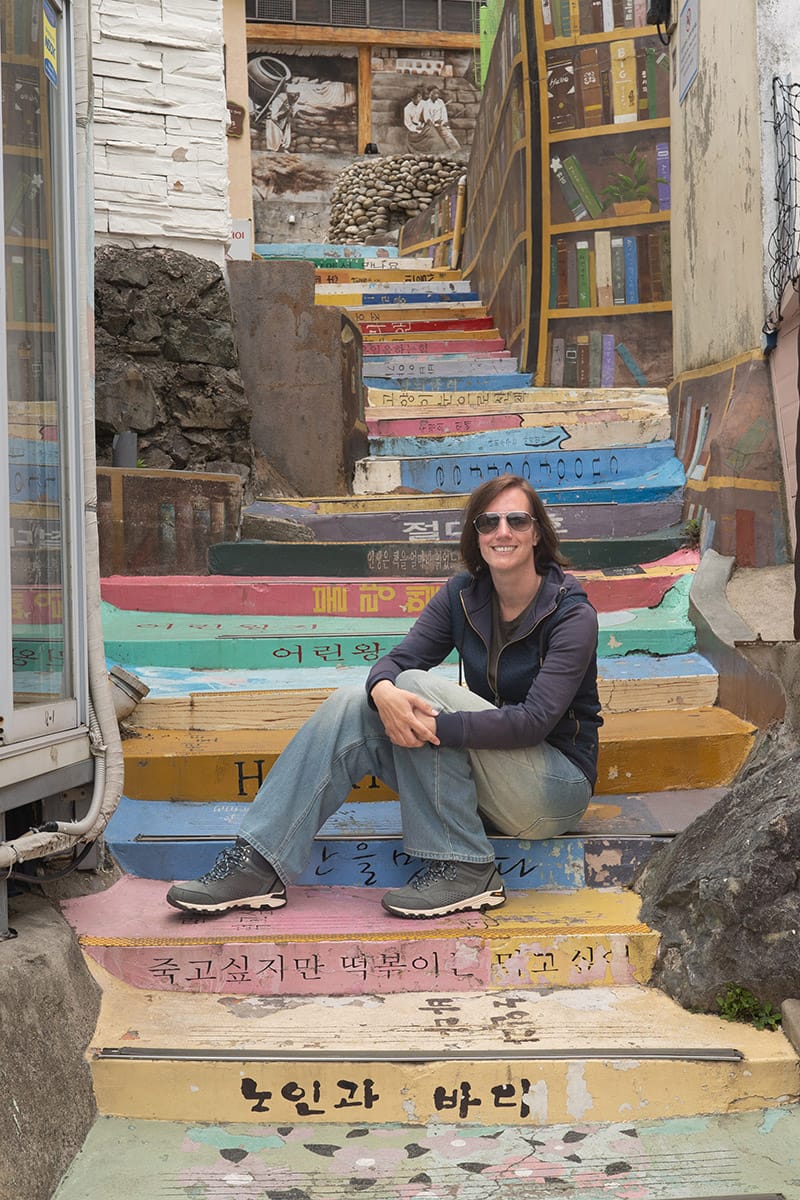
Gamcheon Culture Village
Plan a couple of hours in the day to fully explore Gamcheon Culture Village. From the Jagalchi metro station walk outside to take bus 2-2 from Chungmu Market to the Gamcheon Village Information Center.
Gamcheon Culture Village is a popular district in Busan which was created as a housing solution to the poor population near the port. All travel blogs and guide books refer to the district as the Machu Picchu from Korea. Which is a very odd statement, I believe they meant to make the comparison to Comuna 13 in Medellin, Colombia, which does look very similar.
The starting point and information center is on top of the village, walking the path only downhill from now. At the information center you can buy a map for ₩2000 which is worth the buy as it includes 3 different walking routes and reveals all the points of interests and viewpoints. The map also comes with a treasure hunt aspect as you can collect stamps through Gamcheon Culture Village. We started our stamp collection with full enthusiasm, but gave up as certain points were too difficult to find, and one closed.
We did fully enjoy walking around the village, visiting the cute stores, taking in the views and absorbing the atmosphere.
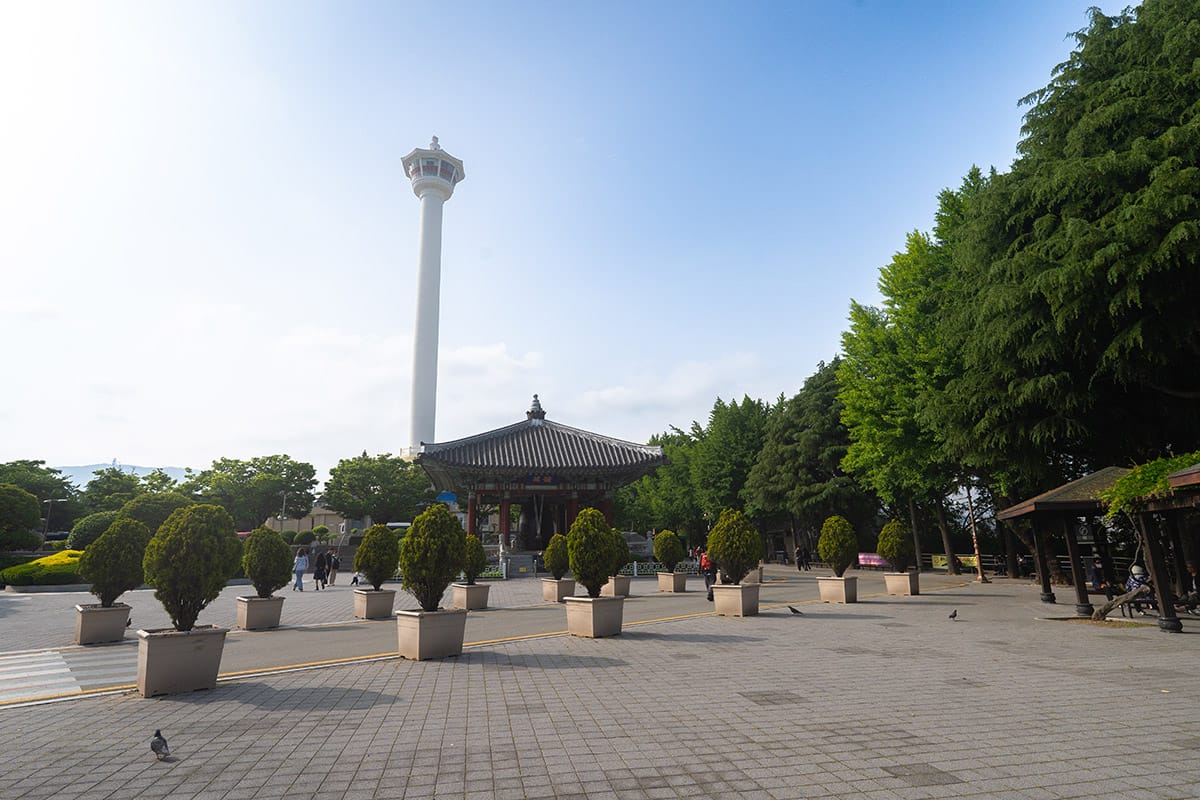
Central Nampo-dong
From BIFF Square we visited the area of Busan with Gwangbok-ro Fashion Street and took the escalators up to Yongdusan Park with Busan Tower. It’s a modern neighborhood known for street food and being Busan’s film district.
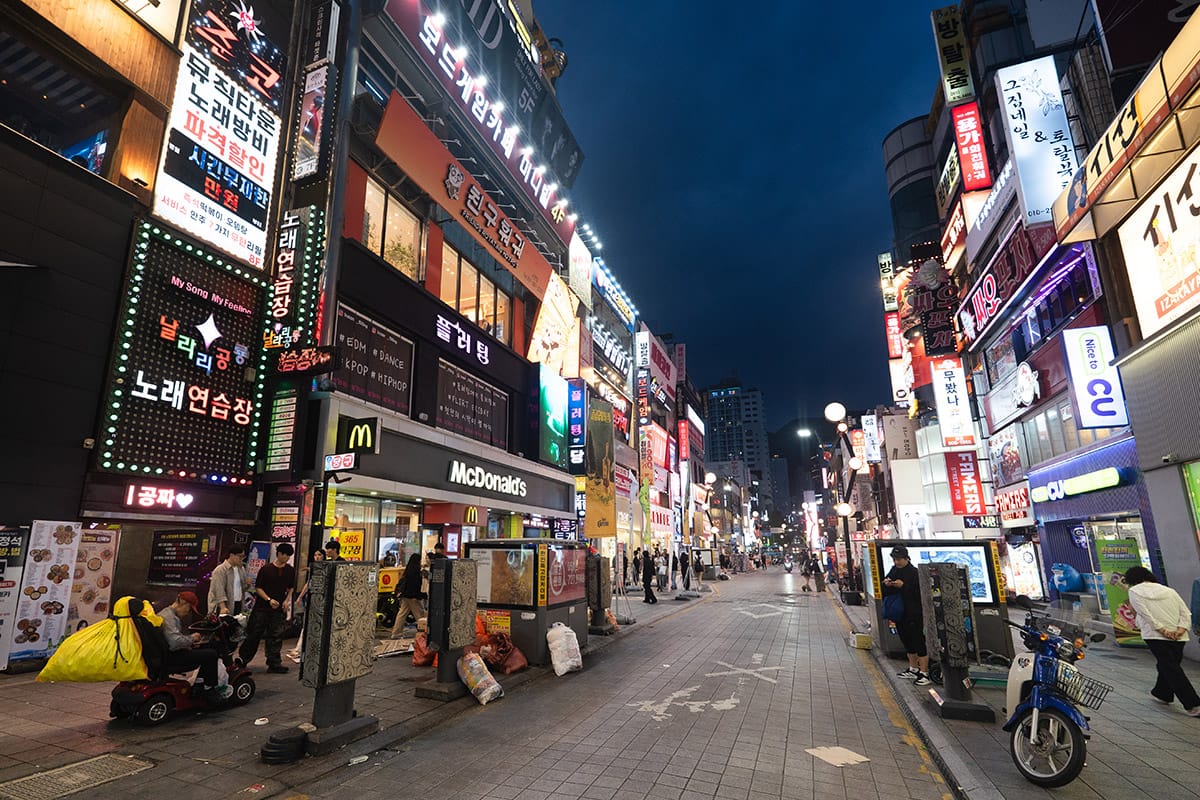
Seomyeon
At the heart of Busan where two metro lines meet is Seomyeon. It is a popular shopping district, including an underground mall, and many restaurants and eateries.
Where to stay?
Two popular neighborhoods where tourists stay in Busan are Haeundae and Seomyeon, with Haeundae being the upscale option close to the beach. I chose to stay in the very central Seomyeon, as it was a perfect hub to explore all areas of Busan.
We opted for staying at the Lion Hotel, only a block away from the metro amidst the restaurants and convenience stores.