Taipei Hualien Chishang Xiaoliuqiu Tainan Alishan National Forest Sun Moon Lake
Are you planning a trip to Taiwan? Here is a full travel guide with all the information you need.
Are you visiting Taiwan for 2 weeks? Follow this itinerary to include all the best parts of the country and do a full round tour with modern and ancient cities, exotic beaches and pristine nature.
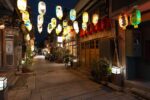
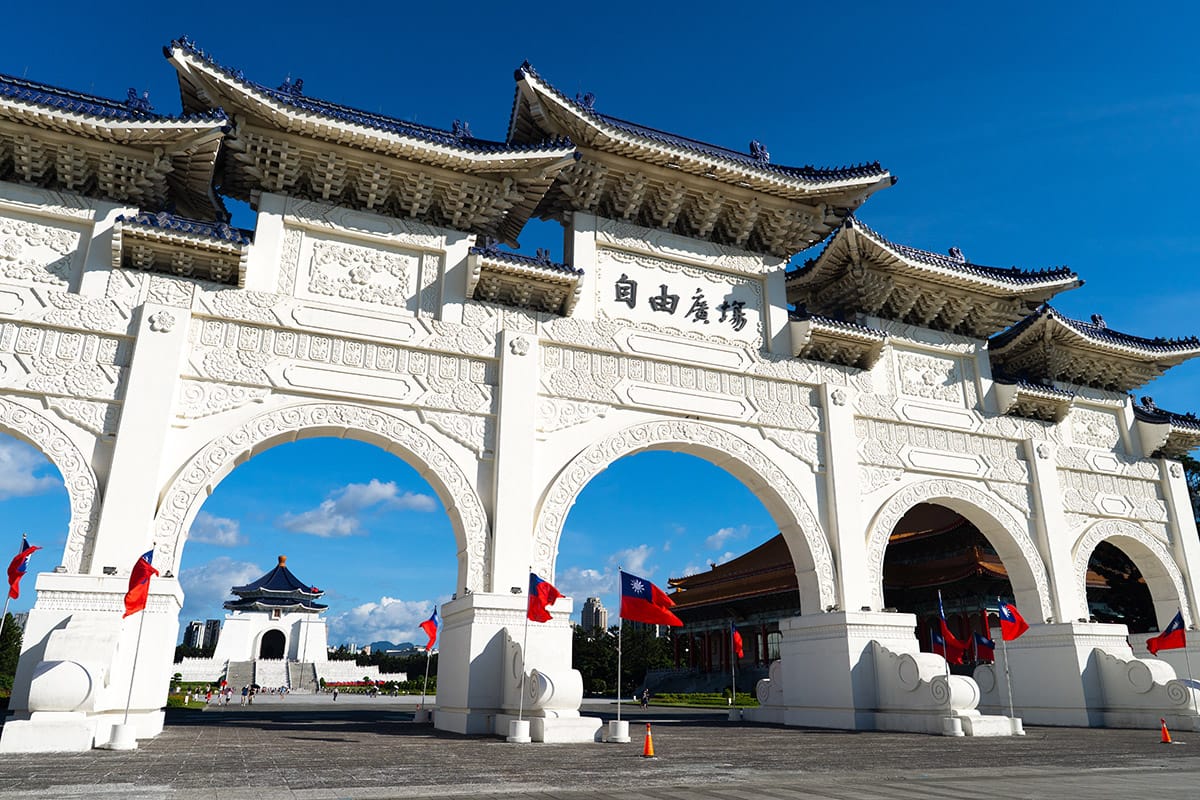
Taipei: Arrive in Taipei and spend 2-3 days here, visit the main sights in the city: Taipei 101, Elephant Mountain, Ximending, CKS Memorial Hall and one of the many night markets. Time and energy left? Opt for a day tour to Jiufen and surroundings.
Hualien: From Taipei take the TRA Express train to Hualien and spend two nights here. On the day of arrival explore the east coast. The next day, get an early start to visit Taroko National Park by scooter.
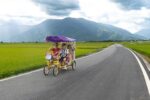
Chishang: Within a one hour TRA train ride you arrive from Hualien to Chishang. Stay in Chishang for two nights and rent a scooter to visit the East Rift Valley with highlights such as the Walami trail and Sixty Stone Mountain. In Chishang rent a (electric) bike to cycle through the green lush rice fields.
Xiaoliuqiu: Take the 8AM TRA train from Chishang to Fang-Liao, hop on the bus 9117A/B or take a taxi to Donggang ferry terminal, and cross with the ferry to the coral island Xiaoliuqiu. You arrive around noon and have the whole afternoon to enjoy. Swimming with the giant sea turtles and the island vibes makes coming to Xiaoliuqiu definitely worth your stay. Spend another two nights here.
Tainan: Get an early ferry to Donggang, take bus 9217D to Zuoying Station and get on the TRA train to Tainan city center. You arrive in Tainan around noon and use the afternoon to visit the temples and sights in the city center. Spend one night in Tainan and use the morning for Anping District.
Chiayi: After completing your stay in Tainan, it’s only a 30 TRA train ride to Chiayi. The base of getting to Alishan National Forest the next morning. When you have time, the Japanese-style Hinoki village is worth the visit.
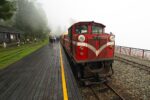
Alishan National Forest: In the morning either get on the 2 hour bus (multiple departures per day) and have a whole day in Alishan or get hold of the rare train tickets with the Alishan Forest Railway. The train departs at 10AM and the trip takes five hours, arriving in Alishan at 3PM. Upon arrival in Alishan, immediately buy the train tickets for the sunrise train at the counter of the train station. Spend one night in the park (make sure to book a hotel which is situated within the Alishan National Forest. When getting up for the sunrise train, you have plenty of time to wander around Alishan.
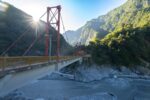
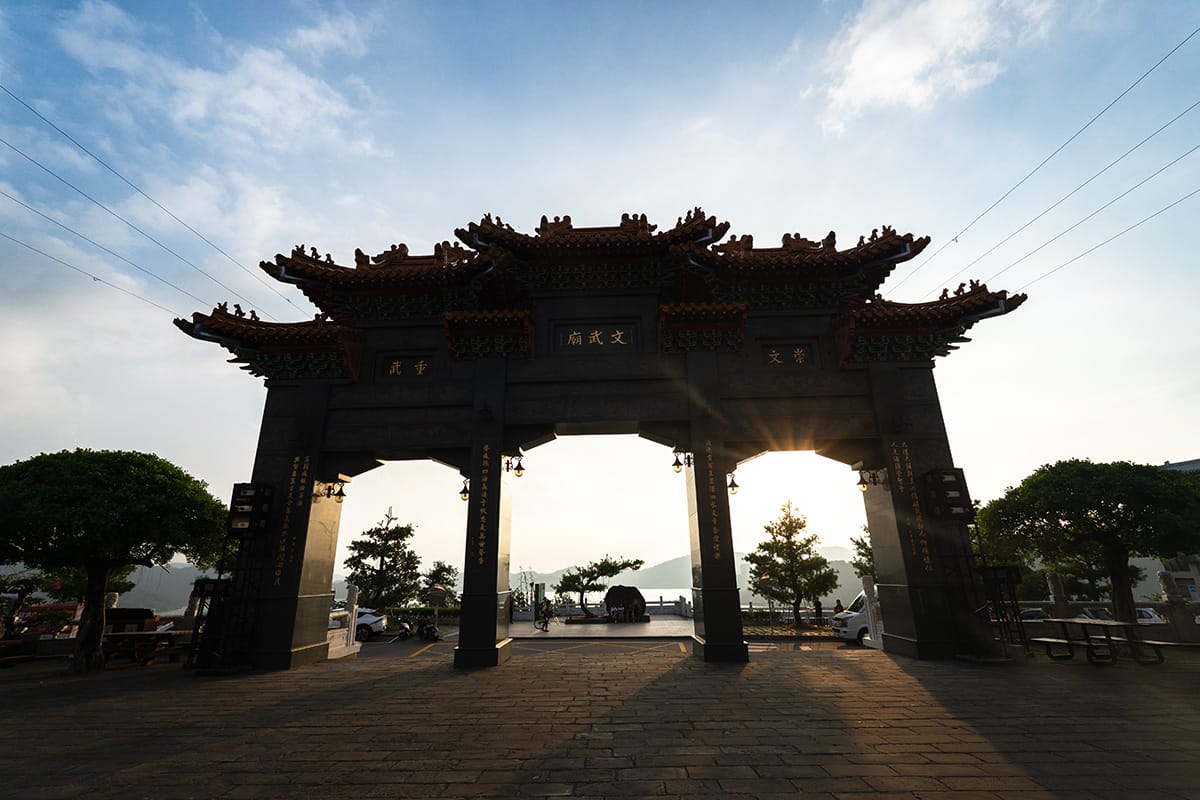
Sun Moon Lake: Only one bus per day rides between Alishan and Sun Moon Lake. After a whole morning of hiking in Alishan, take the 1PM tourist bus 6739 and arrive at Sun Moon Lake at 4PM. Rent a bike for 2 hours for the bike trails around Shuishe and enjoy the sunset. Stay for one or two nights (I did one night) and rent a scooter to easily get to all the attractions around the lake: Wenwu temple, Ita Thao village, Ci en Pagoda and a bit further, Shuiyian Suspension Bridge. After Sun Moon Lake, take bus 6680 to HSR Taichung, and get the fast HSR train back to Taipei.
If you have a total of 3 weeks, I recommend adding 4-5 days in Okinawa (Japan) to your trip.




Public transportation in Taiwan is very well organized and punctual. It’s a perfect form of transport to get around from one place to another. Renting a car or scooter is very convenient to travel the more rural routes.
MRT
Taipei Mass Rapid Transport (MRT) is the extensive metro system in the capital. When visiting Taipei, riding the MRT is the fastest and easiest way to get around. The MRT connects to Taoyuan International Airport, and has stops all throughout the city.
TRA train
There are two types of train in Taiwan. The local TRA (Taiwan Railway Administration) train and the HSR train. The TRA train operates all over Taiwan, including the east coast. The TRA train stations are situated in the center of the city and offer local and express trains. For popular routes, seats can be booked online on their website. After booking, pick up the ticket at the counter showing your passport and reservation number. I mostly used the TRA train when traveling throughout Taiwan.
In this itinerary I’m using the TRA express train for the following routes: Taipei – Hualien, Hualien – Chishang, Chishang – Fang-Liao, XinZuoying – Tainan, Tainan – Chiayi.
HSR train
The HSR (High Speed Rail) is the bullet train in Taiwan, which can be compared to the Shinkansen in Japan. The HSR only operates on the west coast of Taiwan and the stations are mostly outside the city center, making it less accessible when staying in a city. The HSR has reserved and non-reserved train carts. Tickets can be reserved on the HSR website and picked up at the counter with your passport and reservation number.
In this itinerary I’m only using the HSR train once on the following route: Taichung – Taipei.
Bus
Within cities or between smaller towns there are good options to travel by bus. Google Maps public transportation directions are perfect indicators for travel times. On popular routes bus seats can be reserved, although this is a different process per route.
In this itinerary I used the bus on these routes: in Taipei city, Fang-Liao Station – Donggang Station (on route to Xiaoliuqiu), Dongang ferry terminal – XinZuoying, in Tainan city, Alishan – Sun Moon Lake, Sun Moon Lake – Taichung.
EasyCard
The EasyCard is the must-have travel card when traveling in Taiwan. It can be used for the MRT, bus and the local TRA trains. Plus purchases at the 7-Eleven and FamilyMart. The EasyCard cannot be used on the HSR or express TRA trains!! The EasyCard can be bought for NT$100 at the MRT counter, ticket machines or get one with a cute design at the convenience stores. Topping up with cash at the ticket counter or machines.
Car
Touring through Taiwan by car is probably the most convenient. It saves the hassle of figuring out the public transportation and making reservations on popular routes. The roads are in excellent condition and the Taiwanese are easygoing drivers. In Taiwan they drive on the right side, so easypeasy for the European and American readers. An International Driving Permit (IDP) is mandatory, don’t forget to get this in your home country before flying to Taiwan.
Scooter
As I was traveling solo and I didn’t want to drive the longer distances all by myself, I loved the option of combining the excellent public transportation with renting scooters locally. To rent a scooter, it’s also mandatory to have an International Driving Permit (IDP) with an A stamp for a motorcycle license. Renting a scooter was a fun and convenient way to explore local areas.
In this itinerary I rented a scooter at the following places: Hualien, Chishang, Xiaoliuqiu and Sun Moon Lake.
When I search for places to stay I look for a mix of: central location, comfort and affordability. Not staying in a luxury 4 star hotel, but not in a shabby dorm either. These are hotels and B&B’s I stayed at and recommend.
Taipei: Star Hostel Taipei Main Station. Within a 5 minute walk from Taipei Main Station, this hostel offers private rooms with all the needed necessities. The place is very clean and modern and includes a Taiwanese breakfast. Plus it has a common area for those who like to socialize.
Taipei: Hotel Puri Taipei Station Branch. This hotel is in the same building as Star Hostel. Comfortable and more spacious private rooms.
Hualien: Mr. Buster B&B. I loved this accommodation. The rooms are extremely spacious, clean and modern. Clear communication through WhatsApp about check-in. This B&B is further from Hualien station but closer to the city center and the night market.
Chishang: Traveler’s Love. Right in the center of Chishang and only 3 minutes walking from the station is this lovely guesthouse. The room is spacious and clean. The owner speaks English and is very accommodating and helpful. She assisted me with renting a scooter and was always available on WhatsApp in case I needed help on the road.
Xiaoliuqiu: 白海民宿. A beautiful boutique hotel with gorgeous rooms. Located further on the island, but with your own scooter it’s only a 5 minute ride from the ferry terminal.
Tainan: Huzi Room. A large and comfortable room in the heart of Tainan. Perfect location close to the station and the city center to explore Tainan. After booking you get a payment message, this is legitimate. Check-in through WhatsApp with provided login information.
Chiayi: Country Garden Hotel. A comfortable and affordable hotel very close to the station. Nice additions are the paid laundry machine and Taiwanese breakfast.
Alishan National Forest: Maria Hotel. Most hotels within Alishan don’t get good reviews. I must admit that Maria Hotel was dated, but I was expecting much worse. I was very happy that in the cold mountains I had a clean bed with electric blankets and a hot shower. Apparently this isn’t always the case in most hotels here.
Sun Moon Lake: 星月小築. Perfectly located in Shuishe next to the bus station and the main pier. The entrance is through the 7-Eleven upstairs. The host greeted me in front and gave me NT$200 vouchers to use at the 7-Eleven. The room was well decorated and offered all the needed amenities.
Cash is king in Taiwan. Smaller hotels and guesthouses, street vendors and local shops often only accept cash. Be prepared for this! Upon arrival at the airport I withdrew my first NT$20.000 (the maximum withdrawal amount) at the Bank of Taiwan. During my trip I used Cathay United Bank. These banks don’t charge a withdrawal fee and always choose “defer conversion” for the best exchange rate.
International Driving Permit
When you are planning to rent a car or scooter in Taiwan, it is mandatory to have an International Driving Permit (IDP). You can only obtain this in your home country and it’s valid for one year.
People
The people in Taiwan are polite, organized, well mannered and extremely friendly. Locals were genuinely interested and excited that I came to visit their country. Wandering through Chishang looking for a place to eat, I was invited by a group to join their BBQ. Relaxing on the side of the road with my feet in a hot spring, a family joined me and offered food. Everywhere I went people cheerfully waved at me saying “hello”. The Taiwanese apparently loved taking their photo with me, and as polite as they are, only doing this at moments when I’m waiting anyways.
Food
Apparently Taiwan offers delicious culinary options, but since I’m not an adventurous eater, and can’t read Chinese characters I had my pick of western options. The best place to try local food are the night markets where you can try different small dishes and be able to see what is made.
Convenience stores
The 7-Eleven and FamilyMart are everywhere. These were my go-to places for breakfast, snacks, and all kinds of meals and drinks. They can warm up your meals and have tables and chairs to sit. But also convenient for random necessities like band-aids, sunscreen or whatever you need.
Arrival card
Within 3 days before arrival in Taiwan you can fill in your arrival card on the Taiwanese government website. This is free of charge and for those living in a country with a visa exempt admission. No need to print the details, the customs staff will have this when handing your passport.
Taiwan Obsessed
When planning my trip to Taiwan my go-to information source was the blog Taiwan Obsessed. The blogger Nick Kembel lived in Taiwan and regularly updates his website. All information you need to travel independently is extensively written down, such as reserving tickets for bus or train, current info, and really everything there is to know about visiting Taiwan.
Using data on your phone without expensive roaming charges, it’s essential to get a local SIM card or e-sim. The advantage of an e-sim (I used Airalo) is that you immediately have internet access the moment you arrive in Taiwan. Another priority for me is that I keep access to my personal phone number as I receive text messages for two-factor authentication.
At the airport arrival hall you can also buy a local sim card, the provider with the best cell service is Chunghwa. The advantages of a local sim card is that you have a local phone number. You can use the Taiwanese number to communicate on the Line app. The messaging app is mostly used in Taiwan (not at all WhatsApp), and to rent a bicycle with YouBike.